How a Simple Website Closes More Deals Before You Speak

Tom
Digital Business & Systems Consultant · Singapore
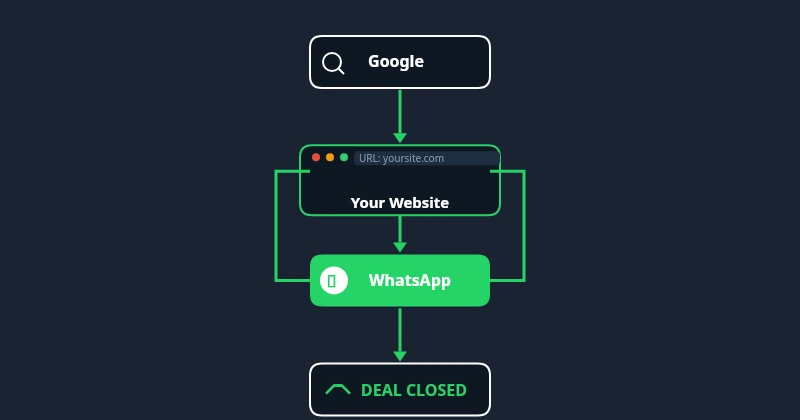
Before any prospective client calls you, messages you, or fills in your enquiry form, they do one thing first: they look you up online. Your website is the first conversation you have with every new client — and most SME websites are losing that conversation before it even starts.
How Buyers Actually Think Before They Contact You
Singapore buyers — particularly in the B2B and service space — follow a consistent mental pattern:
- 1They identify a problem or need
- 2They search for a solution or provider
- 3They look at 2–3 options side by side
- 4They check the website of each option to determine credibility
- 5They contact the one they trust most
The decision to contact you is made on your website — not on the call.
What Clients Are Actually Looking For
When a potential client lands on your website, they're running a mental checklist:
- Legitimacy: Does this look like a real, established business?
- Relevance: Do they work with businesses like mine?
- Proof: Have they done this before? What happened?
- Pricing signals: Am I in the right ballpark? Is this worth a conversation?
- Access: How do I contact them? Is it easy?
See real examples of what a trust-building portfolio looks like.
View our Portfolio →
If your website doesn't answer all five of these questions clearly, you're losing leads before they ever reach out.
How Your Website Can Pre-Sell for You
A well-structured website does more than inform — it sells. Here's how:
- Answer objections before they're raised: If clients always ask 'Do you work with small businesses?', your website should answer that on the homepage. Pre-empt every common hesitation.
- Show authority without bragging: Case studies, specific outcomes, and process pages show that you know what you're doing — without you having to say so directly.
- Filter out bad leads: When you're clear about who you work with and who you don't, the wrong enquiries stop coming. This saves everyone time.
- Set price expectations: You don't need to publish exact prices. But indicating a starting rate, or structuring packages, tells clients whether they can afford you before they message.
See the 5-step process we use to build sites that pre-sell.
How It Works →
The Full Sales Flow in Practice
- 1A Singapore business owner searches 'web consultant Singapore' on Google
- 2They click your result (organic or paid) and land on your homepage
- 3Within 10 seconds they understand what you do and who you help
- 4They scroll to the case studies section and read one real example
- 5They click the WhatsApp button — already pre-sold on working with you
- 6You receive a warm, qualified enquiry — not a cold, confused message
- 7The conversation starts already halfway to a closed deal
Ready to build your own Google → Website → WhatsApp → Closed Deal flow?
Website Development →
A client who has read your website is 3x easier to close than one who came in cold.
What This Looks Like in Practice
One of my clients, a Singapore cleaning services company, was getting referrals consistently but had zero website presence. Every new referral required a lengthy explanation call before they were willing to commit to a quote.
After building a simple 5-page website with a clear offer, two case studies, and a WhatsApp contact flow — the explanation calls dropped from 45 minutes to 15. Clients arrived already understanding the service, the process, and approximately what it would cost. The close rate didn't change. The time spent closing improved significantly.
Want to know what 7 elements your website absolutely must have?
Read: 7 Elements Every High-Converting Website Must Have →
Not getting enough leads from your website? Here is what I use.
See my recommended resource →
Read how we helped other Singapore SMEs turn their websites into lead machines.
Read Case Studies →
Frequently Asked Questions
How can my website help me close more sales?
Your website should do the pre-selling before a prospect ever speaks to you. Clear service pages that explain what you do, who it's for, and what happens next — combined with case studies and an easy contact method — mean prospects arrive already half-convinced.
What should I put on my website to build trust with potential clients?
Case studies with real outcomes, a clear 'About' page that explains who you are and why you do what you do, professional photography if possible, and a straightforward process that shows what working with you looks like. Trust is built through specificity — vague claims don't convert.
Should I show my pricing on my website?
For most SMEs, yes — especially if you're positioning as a premium service. Showing pricing (or at least a range) filters out the wrong prospects and signals confidence. It also reduces the number of time-wasting enquiries.
Turn your website into your best salesperson.
No obligation. No sales pitch. Just an honest conversation.